
Stock Mold vs Custom Perfume Bottle Mold: Where to Invest
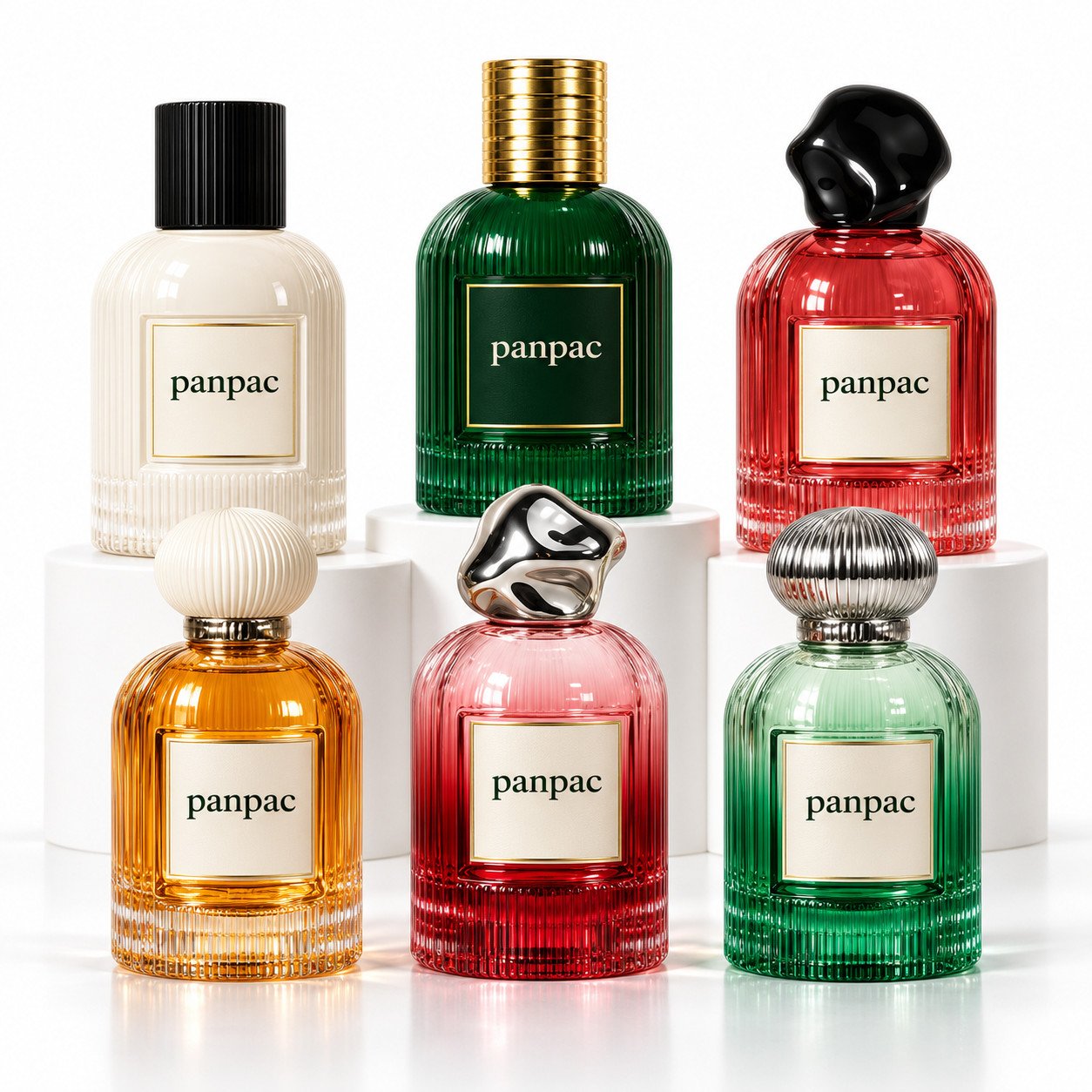
A recognizable fragrance pack does not always begin with a new glass mold. Decide which parts of the design truly need to be exclusive before committing development money.
Define what makes the design yours
Write down the features that cannot change. It might be a distinctive silhouette, a particular shoulder or a coordinated cap. If the main difference is color and artwork, an existing bottle family may be worth evaluating before opening a new mold.
Compare real available models, not just generic renderings. Ask for dimensions, working fill information and the matching closure options. Existing tooling does not mean a bottle is available in every capacity or ready for immediate shipment.
Separate tooling from the rest of the project
A new shape can involve drawing development, tooling, trials and later revisions. Request the scope of each charge and the approval stage it covers. A single “mold fee” should not hide the costs of a cap, insert or decoration tool.
Clarify ownership, storage, maintenance and permitted use of dedicated tooling in the commercial agreement. Do not assume paying a development charge creates exclusivity for the entire pack or transfers intellectual property.
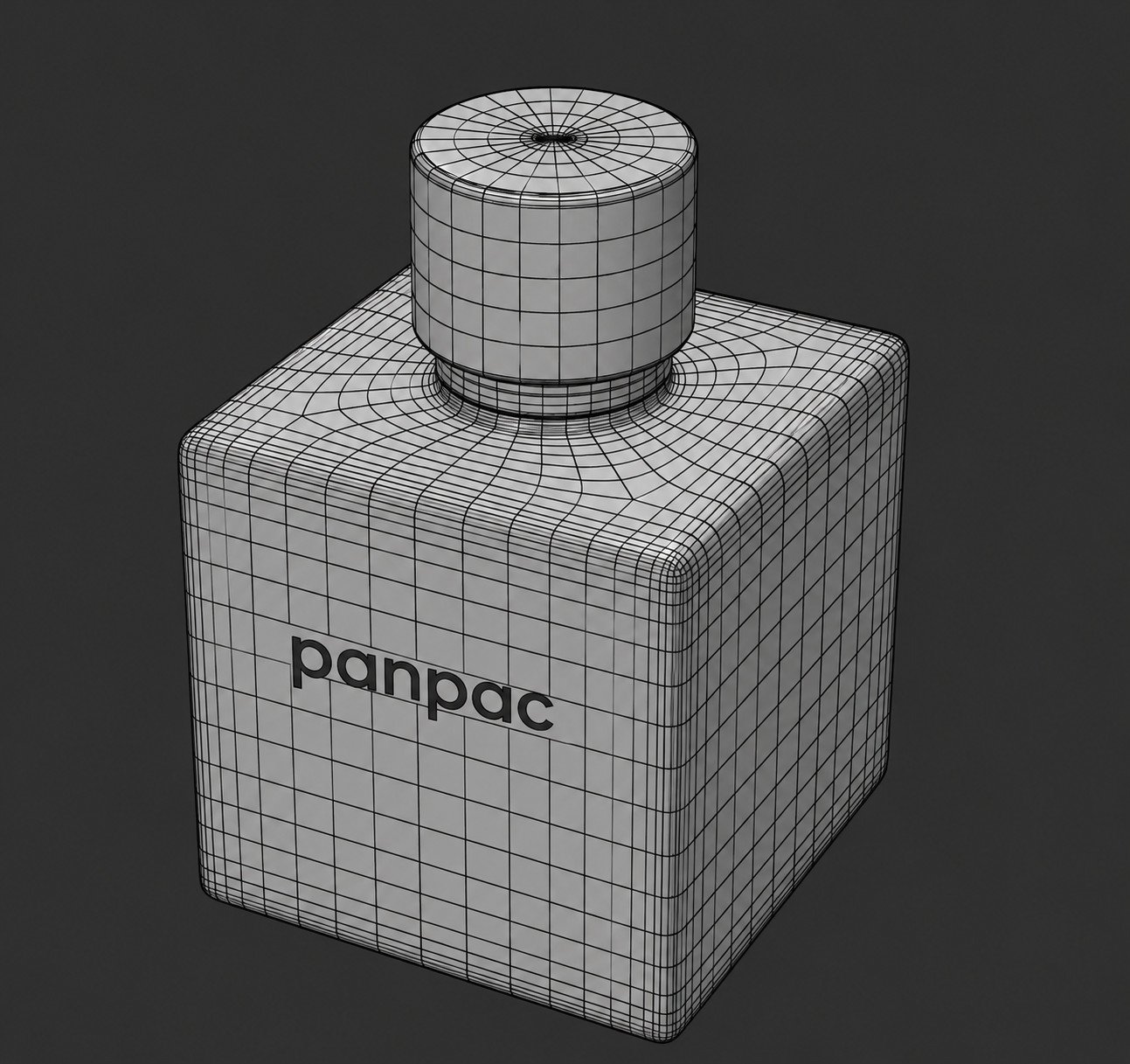
Watch: Stock mold and decoration options walkthrough
Video short — watch on YouTube
Evaluate samples for more than appearance
A rendering can establish a visual direction but cannot approve glass distribution, neck fit or filling-line handling. Ask what physical sample stage will be available and which decisions can still change at that stage.
Use the same component and decoration checklist for an existing mold and a new mold. A new shape is not inherently better made, while a familiar shape is not automatically unsuitable for a high-end brand.
For the next decision, read Custom Perfume Bottle MOQ: Why Bottles, Caps and Printing Have Different Minimums.
Choose the route that supports the launch
Compare investment, expected reorder volume, sampling dependencies and the time needed for your team’s approvals. Avoid adding a new mold to solve an artwork problem that could be addressed with a different decoration layout.
PANPAC can support design review and coordinate an existing-model or custom-development discussion. Ask for alternative quotations with the differences spelled out. A factory-direct comparison should make the cost of distinctiveness visible, not promise that full customization is inexpensive.
What to include in a custom perfume bottle mold brief
Explain the design features that drive the new shape and identify the surfaces that will carry decoration. Include the intended fill, closure concept and any handling constraints from the filler. Ask the engineering team to identify the decisions that must be fixed before tooling begins. A complete brief helps make perfume bottle mold development discussions more specific than asking how much a photograph would cost to reproduce.
Request approval stages and deliverables in writing. Distinguish a visual concept, a dimensional drawing and a production-representative sample. Ask who signs off each stage and how a requested revision will be quoted. These are project-management questions, not signs that a supplier is reluctant to customize. They help protect both parties from treating an early concept as an approved manufacturing specification.
Review the reorder implications
Ask how future orders will identify the dedicated model and what information should be retained with it. Discuss the tooling agreement, any agreed exclusivity and the process for maintenance or changes. Keep those terms separate from decoration artwork ownership. A buyer comparing stock mold vs custom perfume bottle routes should consider the second order as carefully as the first: a distinctive shape is valuable only if the selected supply arrangement supports the collection over time.
Keep the approval useful
Before choosing the development route, document what would cause you to reject the proposed sample. Separate an essential geometry requirement from a preference that can be adjusted. Share that distinction with the design team early. It helps avoid repeated drawing revisions that add effort without improving the brand concept, and gives both parties a clearer basis for deciding when a design is ready for the next stage.
What to send PANPAC
Attach your reference image or drawing, intended fill, component requirements, decoration, quantity per design and target market. Tell us which decisions are fixed and where alternatives are welcome. Our team can coordinate design support, engineering questions and the agreed quality checks before a configuration is quoted.
Explore our fragrance packaging collection or send your project brief. PANPAC supplies empty packaging; filling and formula validation responsibilities should be agreed with your team and filling partner.
Compare your bottle development options
Bring your packaging questions to PANPAC. We can review the format, custom finish and sampling requirements together.
Discuss Your ProjectFrequently asked questions
Does a custom glass shape require a custom cap too?
Not always. A new bottle concept may use an existing compatible closure, subject to engineering review. PANPAC can discuss the bottle and cap together so you can see which parts require development and which may use available tooling.
Can an existing bottle mold support a premium fragrance launch?
Yes, a suitable existing model may support custom perfume bottle decoration and coordinated components. PANPAC can discuss the actual model and finish; premium presentation still requires sample approval.
Can PANPAC provide a standard custom mold price?
Custom perfume bottle mold cost depends on the drawing, tooling scope and development requirements. PANPAC needs a defined brief before providing a relevant quotation.
Further reading
Coverpla component configuration
Manufacturer examples are context, not evidence that PANPAC supplies the same system or offers the same specifications.