
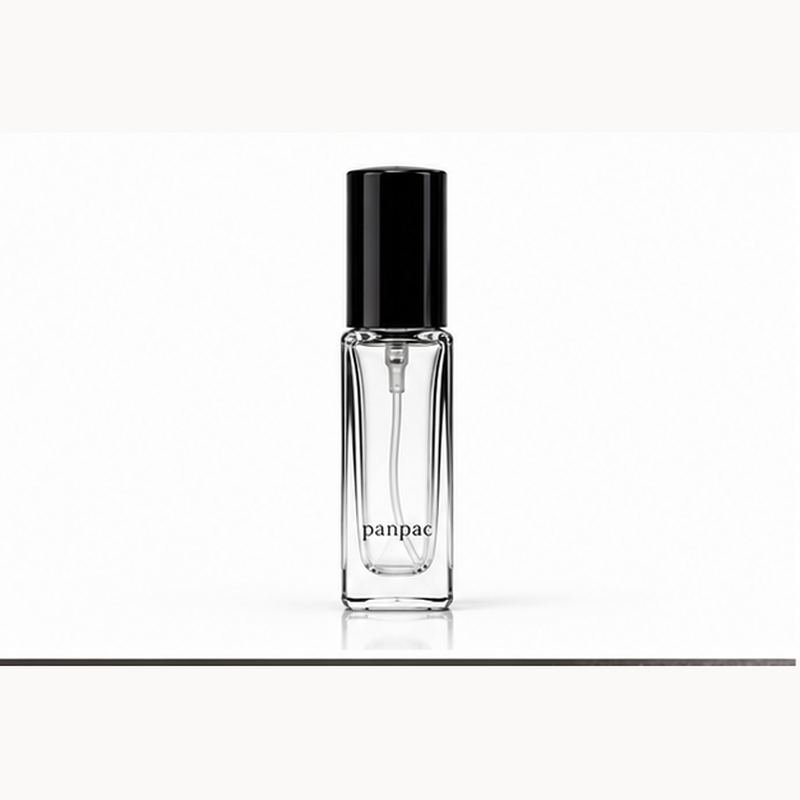
Buying Perfume Bottles, Pumps and Caps Together: A Component Matching Guide
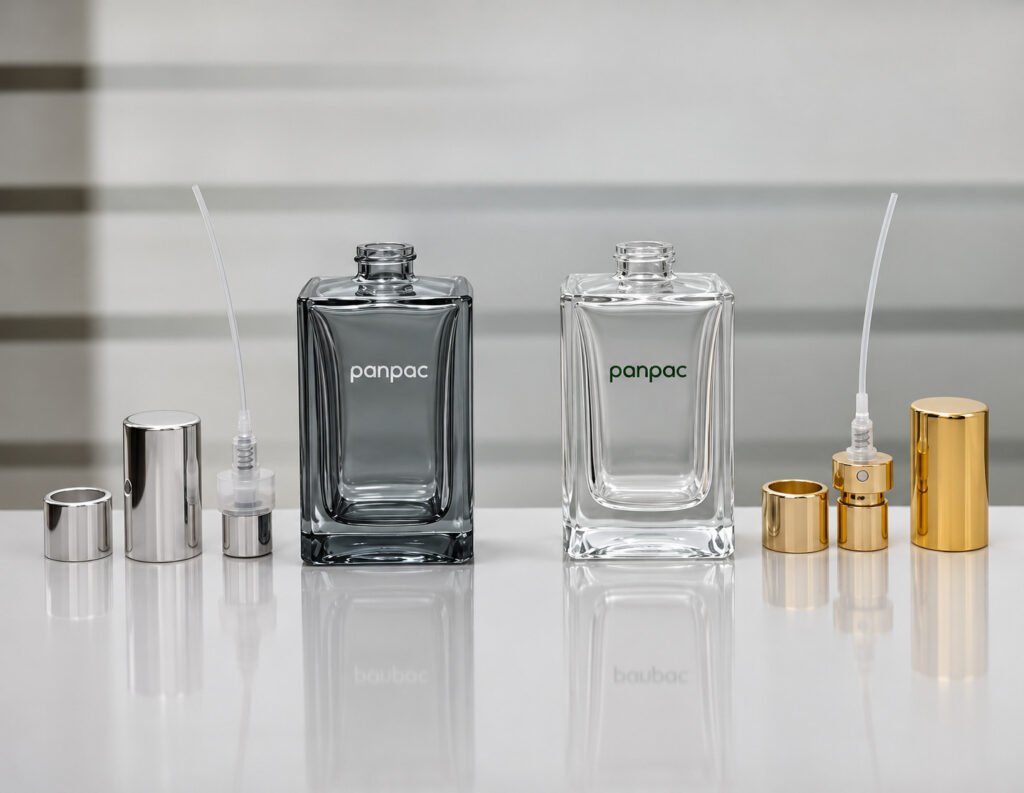
Buying matching parts from separate catalogues can leave the brand managing the interfaces. A coordinated brief makes responsibility clearer before something does not fit.
Buying matching parts from separate catalogues can leave the brand managing the interfaces. A coordinated brief makes responsibility clearer before something does not fit.
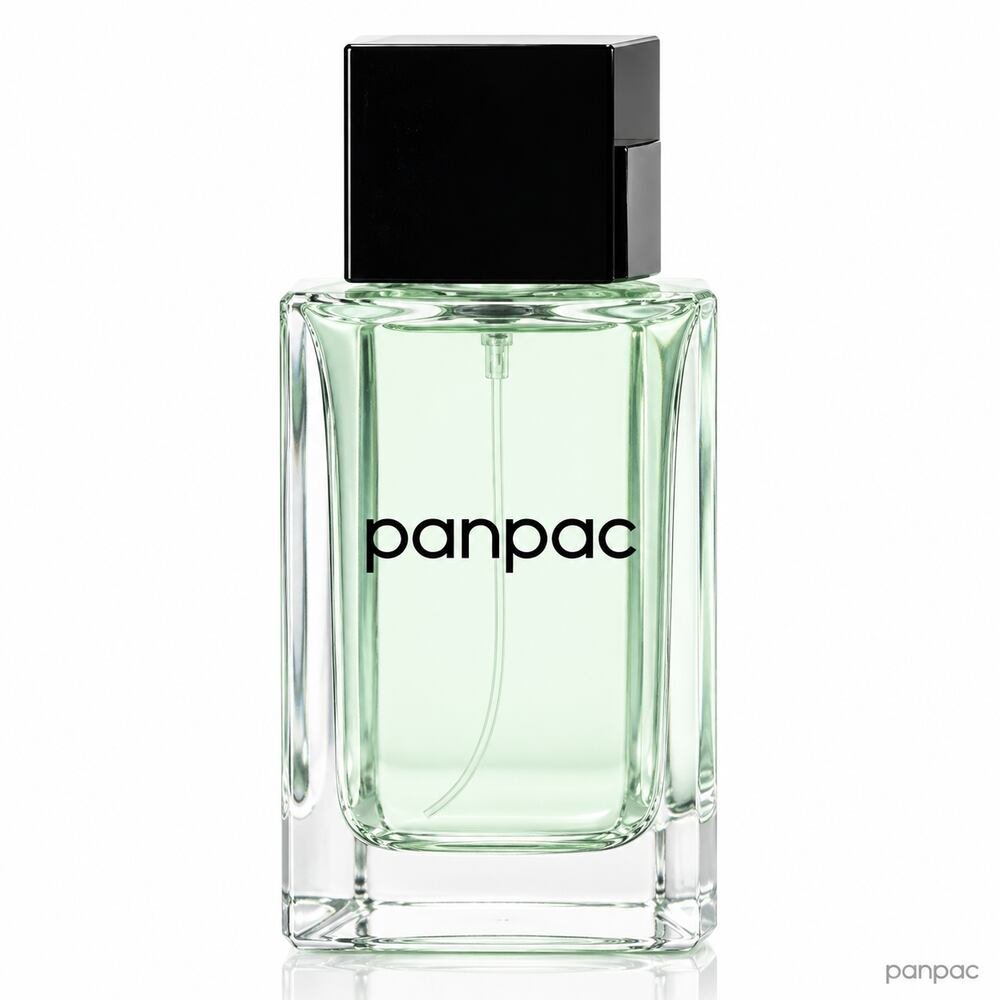
A pump that can be removed is a starting point, not a complete refill strategy. Buyers need to understand how the customer refills and reseals the pack.
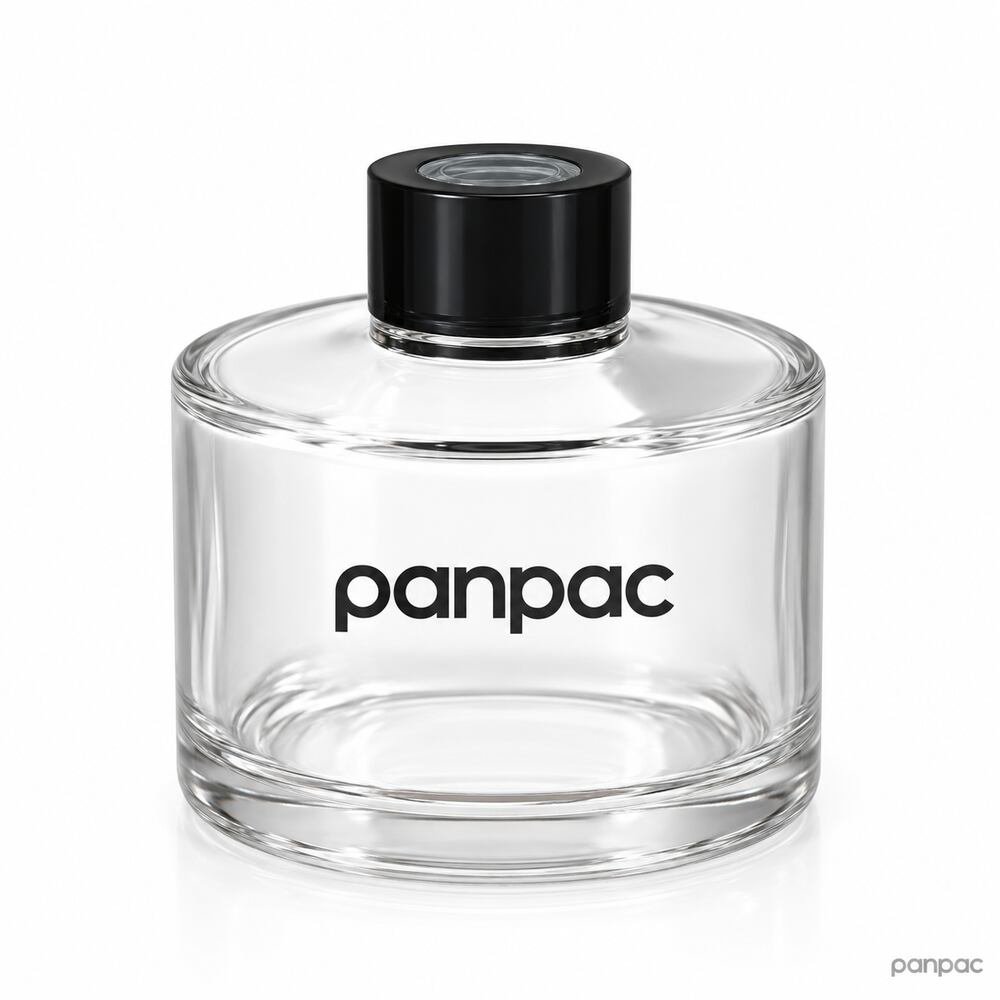
A discovery set is a customer’s first interaction with the fragrance. A difficult stopper or inconsistent spray can distract from the scent before the full-size bottle is considered.

The roller ball is only one component in a roll-on pack. Changing its material without checking the insert and formula can leave the original problem unresolved.
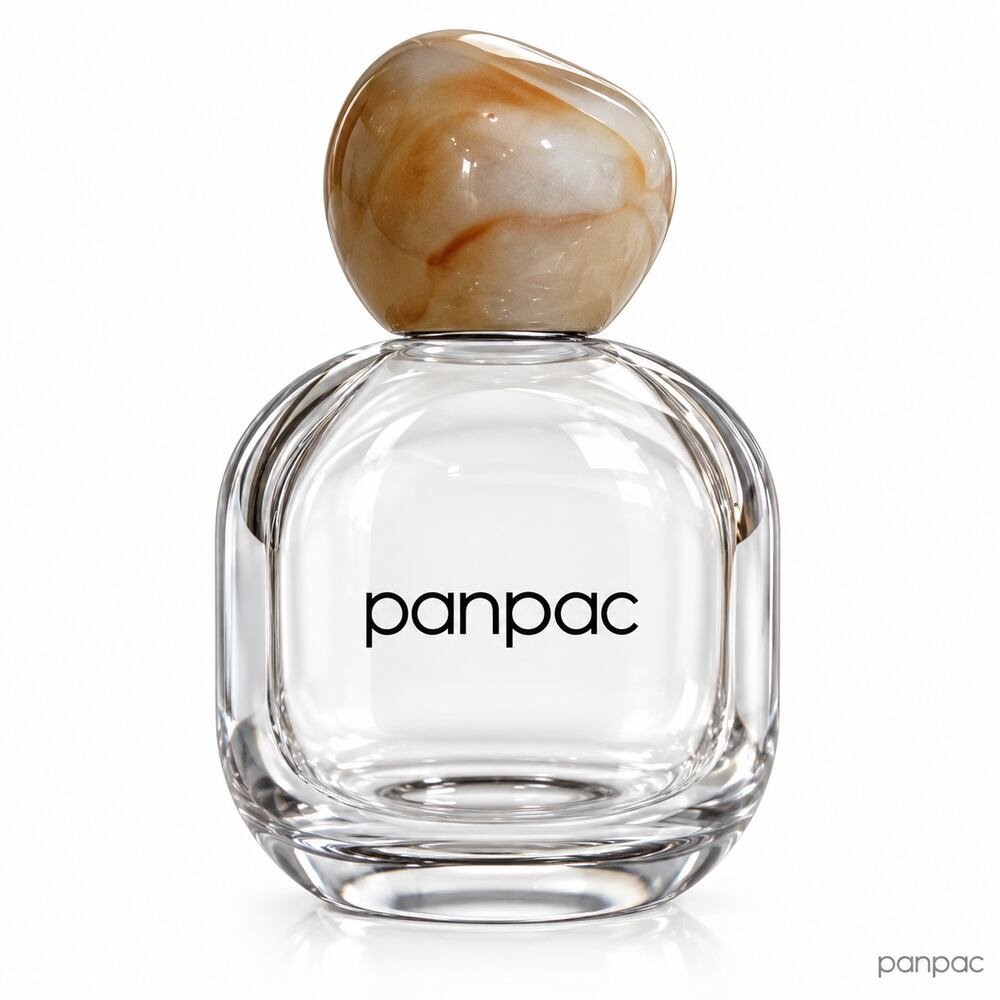
Choose a decoration process from a physical reference, not a finish name alone. The glass surface, artwork and handling conditions all affect the decision.
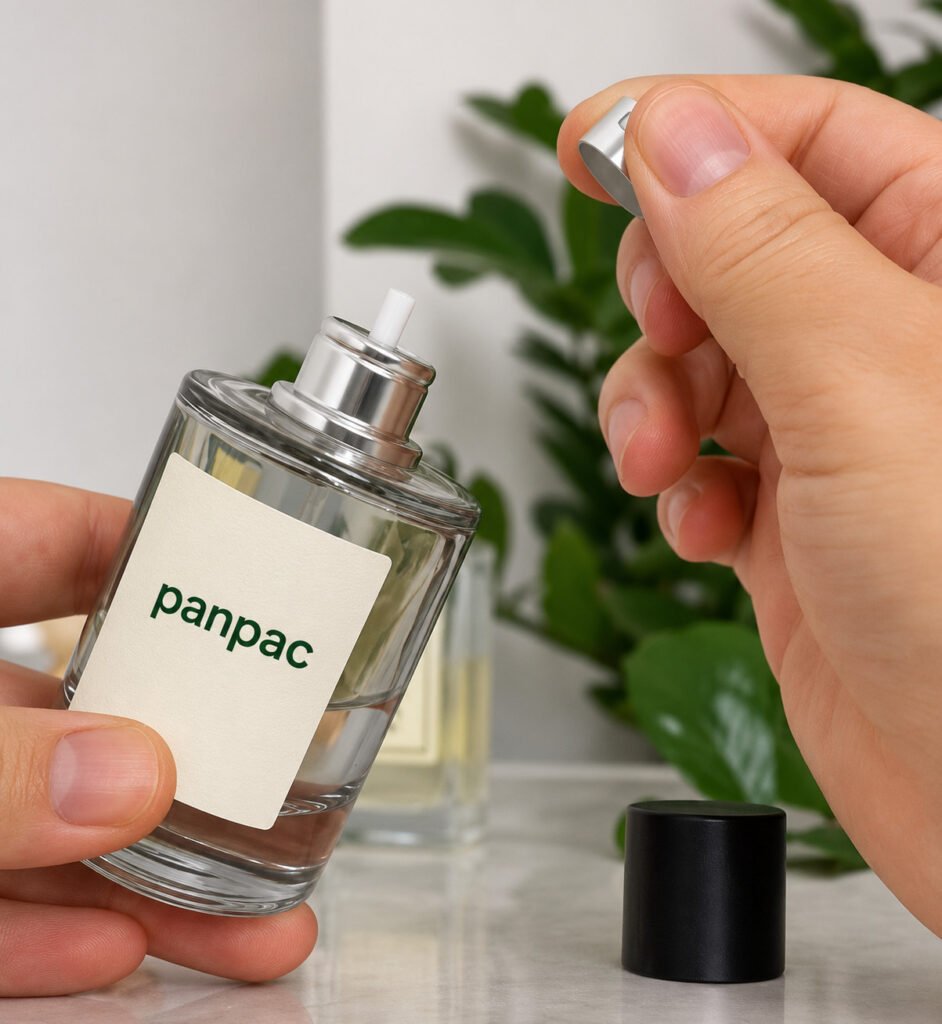
The order quantity for a finished perfume pack may be constrained by its smallest customized component. Ask about the minimums behind the total.
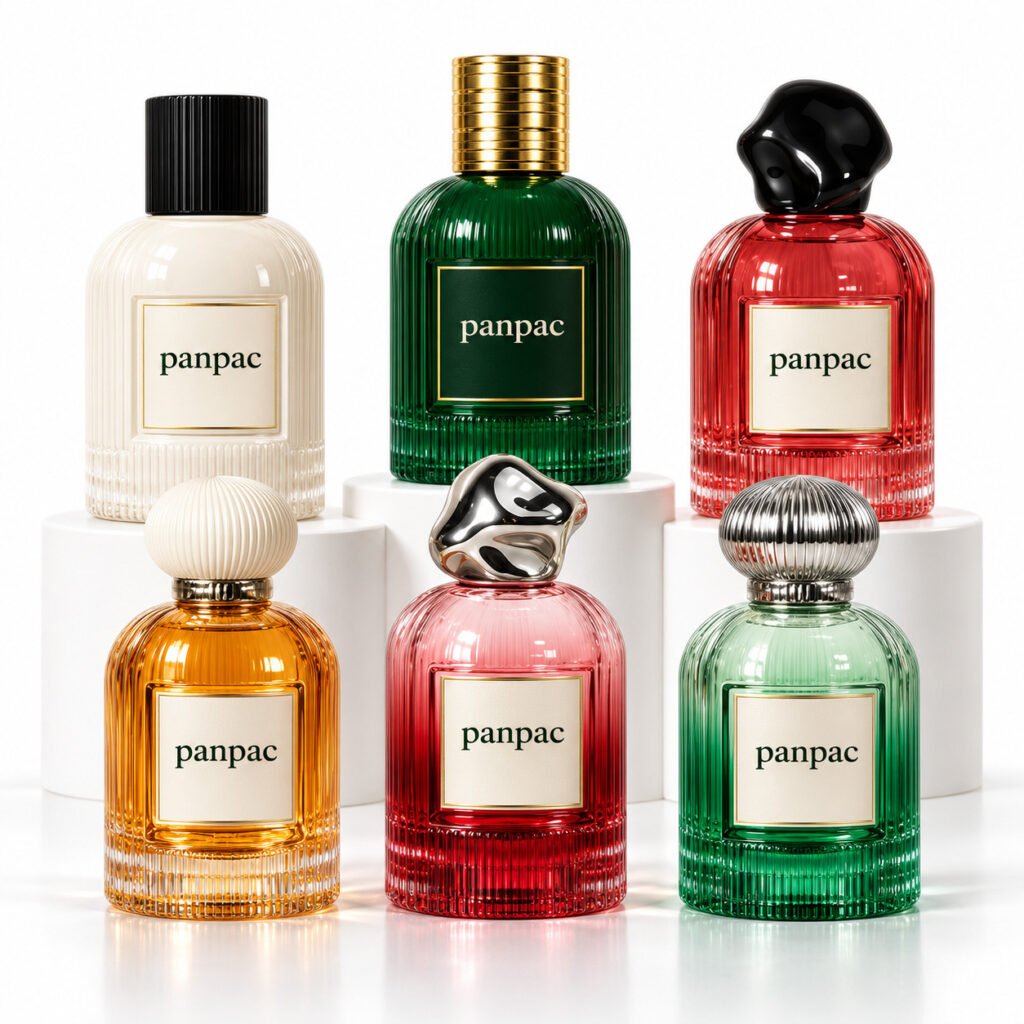
A recognizable fragrance pack does not always begin with a new glass mold. Decide which parts of the design truly need to be exclusive before committing development money.
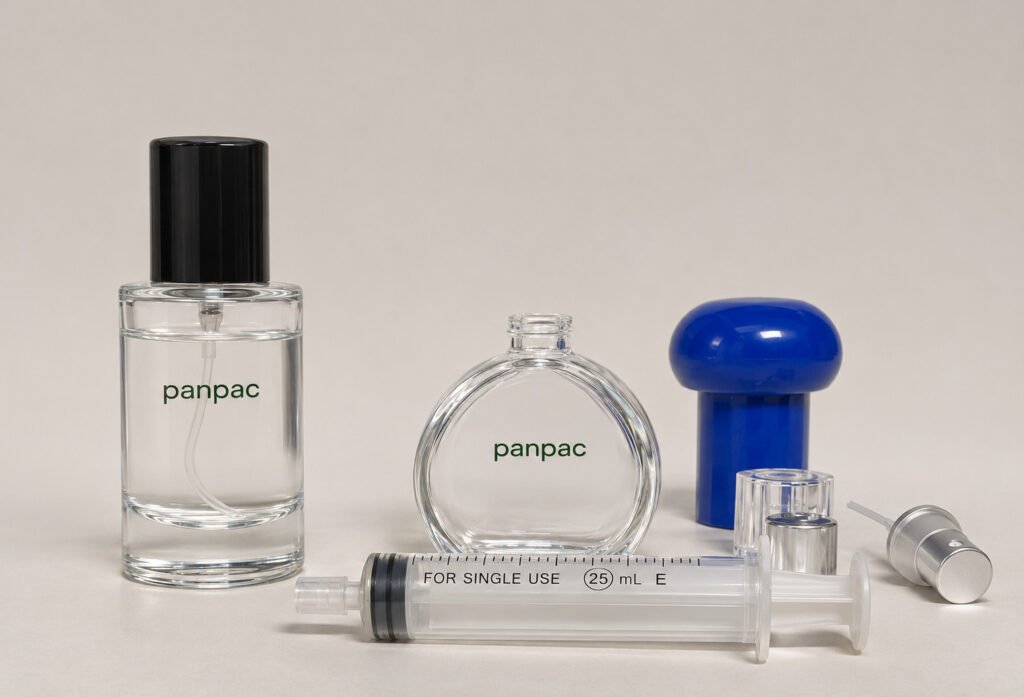
Choose the neck with your filling partner, not after the artwork is finished. The closure decision affects assembly, opening and the refill concept.
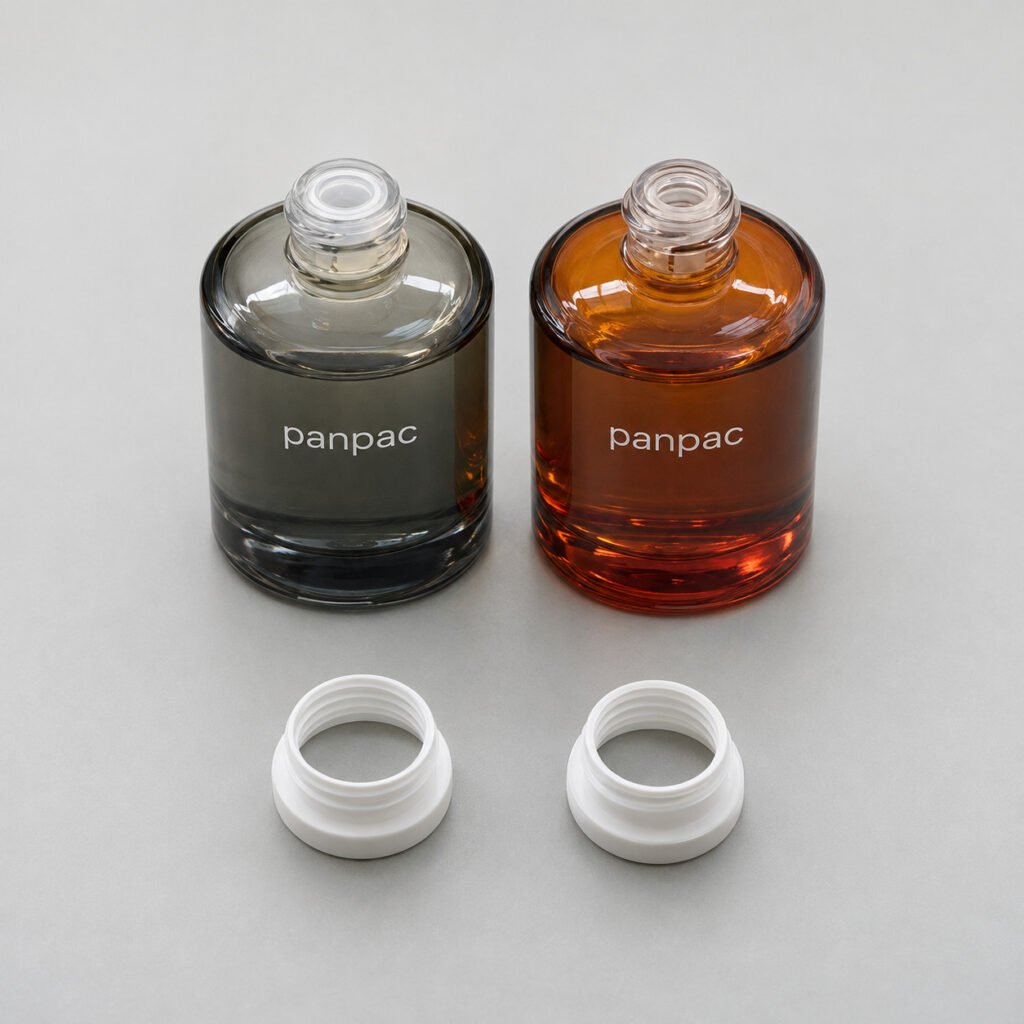
A dry empty sample does not tell you how a filled perfume pack will behave. A useful leak review starts with the assembly, formula and filling process.
A bottle price without a component list is not a useful comparison. Before requesting a discount, make sure suppliers are quoting the same pack.